

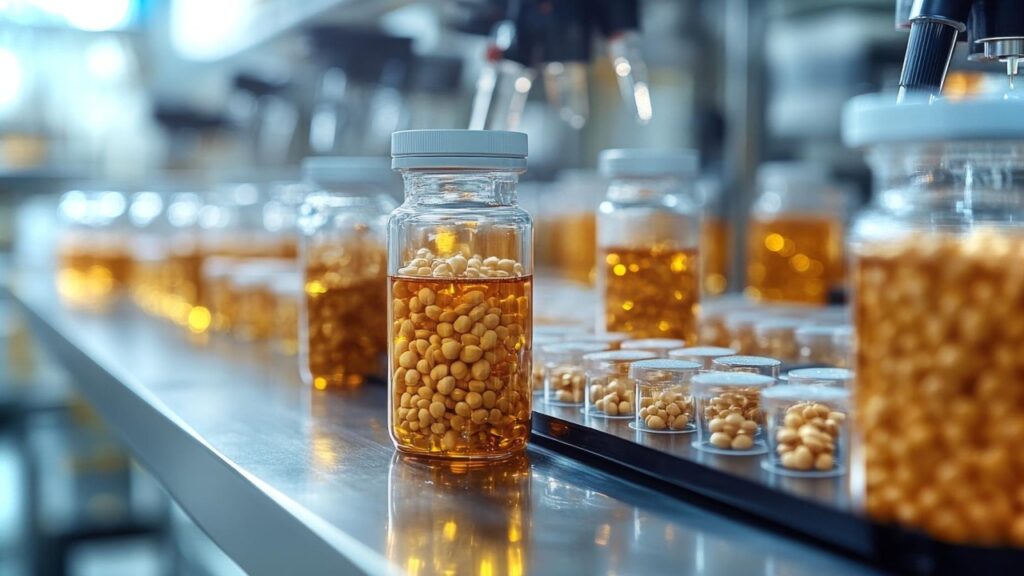
In today’s health-driven marketplace, bulk supplement manufacturing plays a critical role in delivering safe, effective, and compliant dietary supplements. From immune-support vitamins to protein blends and herbal formulations, manufacturers follow strict processes to ensure consistent quality at scale.
However, supplements do not appear on shelves by chance. Behind every finished product lies a structured manufacturing system built on science, quality control, and regulatory compliance. Understanding how bulk supplement manufacturing works helps brands, professionals, and consumers make informed decisions with confidence.
This comprehensive guide explains what bulk supplement manufacturing is, why it matters, how the process works, and what quality standards responsible manufacturers must follow.
What Is Bulk Supplement Manufacturing and How Does It Work?
Bulk supplement manufacturing refers to the production of large quantities of dietary or nutraceutical formulations before final packaging, labeling, and branding.
Instead of manufacturing retail-ready products, manufacturers produce supplements in bulk forms such as powders, blends, granules, or concentrates. Later, brands complete the packaging and labeling based on their market requirements.
As a result, this approach allows companies to:
-
Scale production efficiently
-
Maintain batch-to-batch consistency
-
Control quality across large volumes
Importantly, bulk manufacturing supports flexibility while preserving regulatory compliance.
Why Bulk Supplement Manufacturing Matters
Understanding bulk supplement manufacturing is essential for everyone involved in the health and wellness ecosystem.
For supplement brands
Bulk manufacturing ensures consistent formulations, easier scalability, and compliance with regulatory standards. Moreover, it helps brands maintain long-term credibility.
For consumers
Quality manufacturing ensures that supplements contain verified ingredients in the right quantities. Therefore, the risk of contamination or misleading labels is reduced.
For distributors and retailers
Reliable bulk production creates predictable inventory and stable product quality across markets.
However, supplement manufacturing is not simply mixing ingredients. Instead, it requires scientific formulation, controlled processing, lab testing, and detailed documentation.
Step-by-Step Bulk Supplement Manufacturing Process
Although processes may vary slightly, reputable manufacturers follow a structured and validated workflow.
1. Formulation and Recipe Design
First, experts develop formulations based on intended benefits, target demographics, and regulatory requirements. Each formula undergoes technical evaluation before approval.
2. Ingredient Sourcing and Verification
Next, manufacturers source raw materials from approved suppliers. In addition, teams verify ingredient identity, purity, and safety before use.
3. Incoming Raw Material Testing
Before production begins, independent laboratories test raw materials for potency, contaminants, and compliance. As a result, only verified ingredients enter production.
4. Blending and Processing
Manufacturers then blend ingredients using precision-controlled equipment. This step ensures uniformity and dosage accuracy throughout the batch.
5. Finished Batch Quality Control
After blending, quality teams test finished bulk batches for potency, microbial safety, and consistency. Therefore, only compliant batches move forward.
6. Packaging and Controlled Storage
Finally, manufacturers store bulk supplements under controlled conditions or transfer them to packaging lines for final processing.
Regulatory Standards in Bulk Supplement Manufacturing

Dietary supplements are regulated differently from pharmaceutical drugs. However, manufacturers must still comply with strict quality frameworks.
Key Standards Include:
-
Good Manufacturing Practices (GMP):
GMP guidelines ensure manufacturers produce supplements safely and consistently under controlled conditions. -
FDA Dietary Supplement Regulations:
Regulatory authorities oversee labeling accuracy, safety standards, and manufacturing documentation.
For example, the U.S. Food and Drug Administration outlines GMP requirements for dietary supplements
(see FDA dietary supplement guidelines). -
Third-Party Audits and Certifications:
Independent audits strengthen credibility and demonstrate adherence to industry standards.
Consequently, compliance protects both consumers and manufacturers from safety and quality risks.
Quality Assurance and Testing Explained
Quality assurance forms the backbone of responsible bulk supplement manufacturing.
A strong QA system includes:
-
Raw material validation before use
-
In-process testing during production
-
Finished product testing by independent labs
-
Complete documentation for traceability
As a result, manufacturers can prove product integrity during audits and inspections. Over time, this transparency builds trust in competitive health markets.
How Brands Choose the Right Bulk Supplement Manufacturer

Selecting the right manufacturing partner is a strategic decision for supplement brands.
Key Factors to Consider:
-
GMP-compliant manufacturing facilities
-
Transparent quality testing protocols
-
In-house or partnered laboratory capabilities
-
Scalable production capacity
-
Flexibility for custom formulations
In addition, experienced manufacturers offering contract manufacturing services help brands navigate compliance and production efficiently
(learn more about contract manufacturing solutions).
Common Pitfalls to Avoid in Supplement Manufacturing
Even established brands can face challenges if quality systems are overlooked.
| Common Pitfall | Why It Creates Risk |
|---|---|
| Choosing manufacturers based only on cost | Low prices often signal weak quality controls |
| Prioritizing marketing claims over testing | Claims must be supported by documentation |
| Relying only on supplier COAs | Independent verification is essential |
| Ignoring traceability records | Without documentation, quality cannot be proven |
Therefore, strong QA systems and reliable manufacturing partners are critical safeguards.
Frequently Asked Questions (FAQs)
Are supplements regulated like medicines?
No. Dietary supplements follow food-based regulatory frameworks rather than pharmaceutical drug approvals. However, authorities strictly enforce safety and quality standards.
Do bulk supplements undergo testing before sale?
Yes. Reputable manufacturers test both raw materials and finished batches before distribution.
What certifications should I look for?
GMP compliance and third-party audit certifications indicate reliable manufacturing practices.
Can companies claim quality without testing?
No. Without documentation and independent lab reports, quality claims lack credibility.
Final Takeaways
Bulk supplement manufacturing is the foundation of the modern health and wellness industry. It is a science-driven, compliance-focused process that demands precision, accountability, and transparency.
Whether you are building a supplement brand or seeking to understand how quality products are made, knowing the manufacturing process empowers smarter and safer decisions.
With this knowledge, you can confidently evaluate supplement manufacturers and understand what truly defines quality behind the label.