

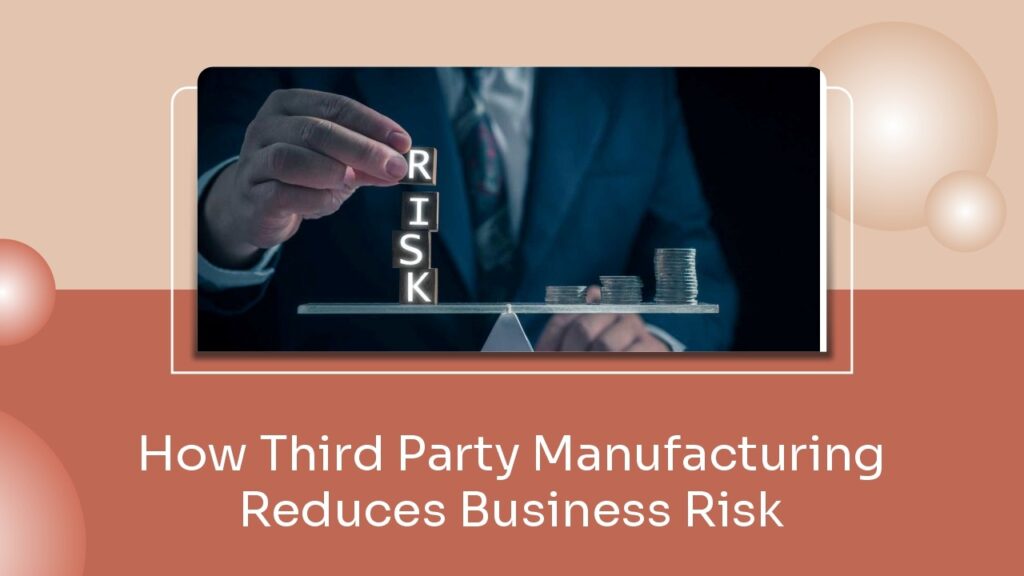
In today’s unpredictable business environment, companies are no longer judged only by how much they produce but by how wisely they manage risk. From fluctuating raw material prices to regulatory pressure and supply chain disruptions, manufacturers face constant uncertainty.
This is why many modern brands, from startups to global players, are turning to third-party manufacturing (also called contract manufacturing) as a strategic move, not just a cost-saving tactic.
Done right, third-party manufacturing doesn’t just outsource production; it outsources risk while keeping control where it matters most: brand, innovation, and customers.
Let’s explore how this model helps businesses stay resilient, compliant, and competitive.
What Is Third-Party Manufacturing?
Third party manufacturing is a business arrangement where a company hires a specialized manufacturer to produce goods under its brand name. The hiring company handles branding, marketing, and distribution, while the manufacturing partner manages production, compliance, and quality control.
Instead of investing heavily in factories, equipment, and workforce, businesses leverage the existing expertise and infrastructure of a trusted manufacturing partner.
Why Risk Management Has Become Critical in Manufacturing
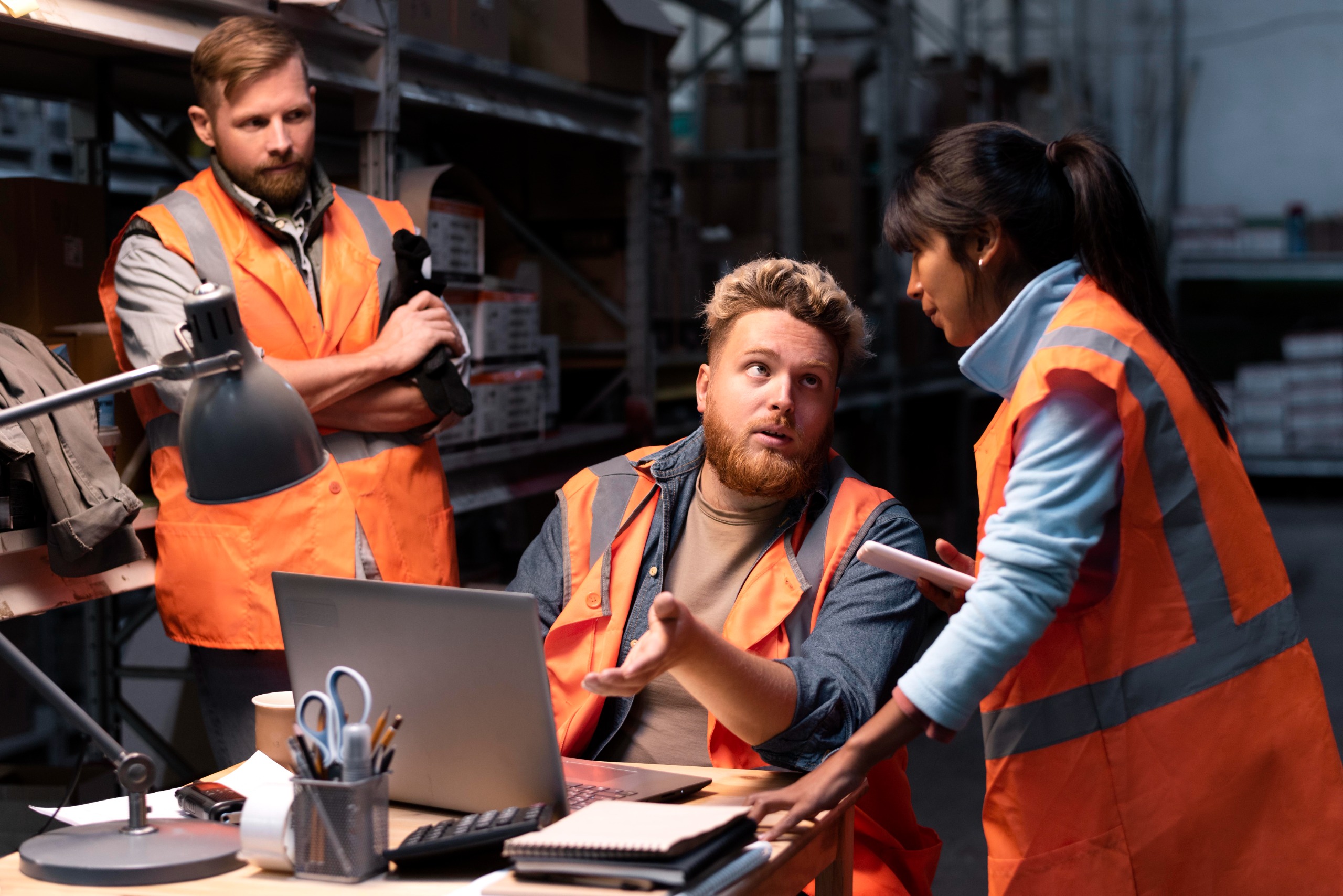
Manufacturing today involves far more than making products. Businesses must navigate:
- Regulatory compliance requirements
- Capital intensive infrastructure investments
- Skilled labor shortages
- Supply chain volatility
- Technology upgrades and automation
- Quality assurance liabilities
- Market demand uncertainty
According to insights and industry support programs shared by the Ministry of Micro, Small and Medium Enterprises, reducing operational burden and improving resource efficiency are key priorities for companies aiming to scale sustainably.
Third party manufacturing aligns perfectly with these goals.
7 Ways Third Party Manufacturing Reduces Business Risk
1. Eliminates Heavy Capital Investment Risk
Setting up a manufacturing facility requires:
- Land acquisition
- Machinery procurement
- Licensing and certifications
- Workforce hiring
- Maintenance and upgrades
These investments are high-risk and slow to recover, especially if demand fluctuates.
With third party manufacturing, businesses avoid locking capital into fixed assets. Instead, they convert manufacturing into a variable cost model, paying only for production volumes they need.
Result: Lower financial exposure and faster break-even timelines.
2. Ensures Regulatory Compliance Without the Headache
Industries like nutraceutical, cosmetics, food, and medical devices are governed by strict regulatory frameworks.
In India, manufacturers must comply with guidelines monitored by authorities such as the Central Drugs Standard Control Organization, which oversees safety, quality, and approval processes.
An experienced third party manufacturer already operates within these frameworks, managing:
- Documentation and audits
- Certifications and renewals
- Testing and validation
- Legal compliance updates
Result: Your brand avoids legal penalties, recalls, and compliance failures.
3. Reduces Supply Chain Disruptions
Supply chain shocks like those seen during global crises can halt production overnight if a company depends on a single internal setup.
Third party manufacturers often maintain:
- Established vendor networks
- Bulk raw material sourcing contracts
- Backup procurement systems
- Inventory optimization models
Because manufacturing partners serve multiple clients, they build resilient supply chains by design.
Result: Business continuity even during market instability.
4. Transfers Operational Risk to Experts
Manufacturing failures can arise from:
- Equipment breakdown
- Process inefficiencies
- Workforce challenges
- Quality inconsistencies
When you outsource production, these operational risks shift to a partner whose core competency is manufacturing excellence.
Reputable manufacturers follow globally recognized quality systems such as those developed by the International Organization for Standardization (ISO), ensuring process reliability.
Result: Reduced downtime, predictable output, and fewer surprises.
5. Enables Faster Market Entry (Reducing Opportunity Risk)
Time to market is a hidden risk many businesses underestimate. Delays in launching a product can mean:
- Losing first-mover advantage
- Missing seasonal demand
- Allowing competitors to dominate
- Higher marketing costs later
- Third party manufacturing uses ready infrastructure and validated processes, allowing companies to launch products months or even years faster.
Result: You capture market opportunities without delay.
6. Provides Scalable Production Without Expansion Risk
Scaling an in-house facility requires new investments, new hiring, and new approvals each adding uncertainty.
Third party manufacturing offers elastic scalability:
- Increase production during peak demand
- Reduce output during slow cycles
- Launch pilot batches without full-scale commitment
Result: Growth without overexpansion risk.
7. Allows Companies to Focus on Core Strengths
Many brands fail because they try to manage everything production, logistics, branding, and sales simultaneously.
Third party manufacturing allows businesses to focus on:
- Research and product innovation
- Branding and positioning
- Customer acquisition
- Market expansion
- Digital transformation
Policy think tanks such as NITI Aayog emphasize specialization and collaboration as key drivers of competitive industries.
Result: Stronger brand identity and smarter resource utilization.
Risk Comparison: In-House vs Third Party Manufacturing
| Risk Factor | In-House Manufacturing | Third Party Manufacturing |
| Capital Investment | Very High | Minimal |
| Regulatory Burden | Fully Your Responsibility | Managed by Partner |
| Operational Failures | Direct Financial Loss | Shared/Transferred Risk |
| Scalability | Slow & Expensive | Flexible & Fast |
| Time to Market | Long Setup Time | Rapid Launch |
| Supply Chain Stability | Limited Vendor Base | Established Networks |
| Technology Upgrades | Continuous Cost | Included in Partnership |
This shift from ownership to collaboration is why many modern brands adopt asset-light manufacturing strategies.
How Third Party Manufacturing Builds Long-Term Business Stability

Third party manufacturing is not just about outsourcing it is about creating a risk-buffered business model.
It allows companies to:
✔ Operate without infrastructure liabilities
✔ Adapt quickly to changing market demands
✔ Maintain compliance without building regulatory departments
✔ Innovate faster with fewer sunk costs
✔ Expand into new regions confidently
In short, it transforms manufacturing from a fixed burden into a strategic advantage.
Best Practices for Choosing the Right Third Party Manufacturing Partner
To truly reduce risk, businesses must select partners carefully. Consider:
- Proven regulatory certifications and audit history
- Transparent quality assurance systems
- Scalable production capacity
- Strong sourcing and logistics network
- Clear contractual accountability
- Experience in your product category
- Willingness to support product development
A weak partner can increase risk while the right one becomes an extension of your business.
Frequently Asked Questions (FAQs)
1. Is third party manufacturing only for large companies?
No. In fact, startups benefit the most because they avoid massive upfront investments and can test products with lower risk.
2. Does outsourcing manufacturing reduce quality control?
Not when working with certified manufacturers. Established partners follow standardized systems, testing protocols, and audits that often exceed in-house capabilities.
3. Is third party manufacturing cost-effective in the long run?
Yes. It converts fixed costs into variable costs, improves resource utilization, and prevents expensive infrastructure upgrades.
4. How does it help during market uncertainty?
Businesses can scale production up or down without worrying about idle factories, layoffs, or sunk capital.
5. Can companies still protect their intellectual property?
Yes. Strong agreements, NDAs, and controlled documentation ensure IP protection while production is outsourced.
Final Thoughts: A Safer Way to Grow in a Volatile Market
Manufacturing no longer needs to be a high risk gamble.
Third party manufacturing gives businesses the freedom to innovate, expand, and compete without carrying the operational weight of production. It is not just a tactical decision but a strategic shield against financial, regulatory, and operational uncertainty.
Companies that embrace this collaborative model position themselves to move faster, adapt smarter, and grow stronger while others remain tied to rigid, risk-heavy systems.
By partnering with experts in nutraceutical production, businesses can focus on innovation, brand growth, and reaching more customers. Companies like Bliss Lifesciences provide end-to-end manufacturing solutions, ensuring quality, compliance, and scalability so brands can succeed confidently in the wellness market.