


The nutraceutical and wellness industry in India is growing rapidly. With increasing awareness about fitness, immunity, preventive healthcare and nutrition, many businesses are entering the supplement market. However, setting up a manufacturing unit requires huge investment, technical expertise, machinery, licenses, and manpower.
This is why many brands today prefer third-party manufacturing in India. It allows companies to launch high-quality products without managing their own production facility. Instead of investing heavily in infrastructure, businesses can partner with experienced manufacturers and focus on branding, marketing and sales.
For startups as well as established companies, third-party manufacturing has become one of the most practical ways to grow quickly in the competitive wellness market.
What is Third-Party Manufacturing?
Third-party manufacturing is a process where a company outsources product manufacturing to another manufacturer. The manufacturer handles production, quality testing, packaging and sometimes even formulation support, while the brand sells the product under its own name.
This approach is commonly adopted across multiple industries to simplify manufacturing operations:
- Nutraceuticals
- Pharmaceuticals
- Herbal products
- Protein supplements
- Cosmetics
- Food supplements
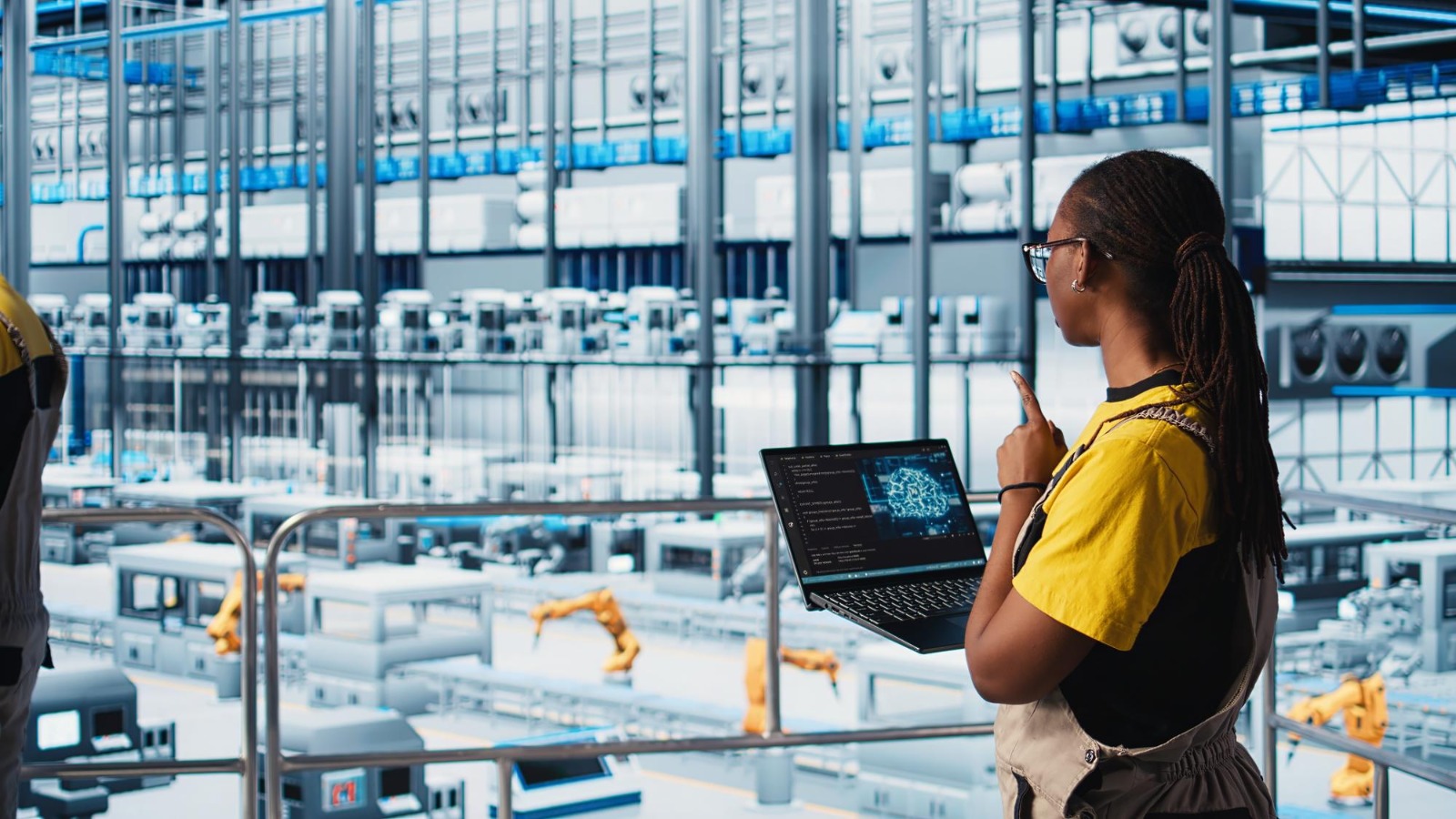
Many businesses choose third-party manufacturing because it saves time, reduces operational burden and ensures professional-quality production.
Real-Life Example: How Third-Party Manufacturing Works
To understand the process more clearly, let’s look at how a typical third-party manufacturing process works in the nutraceutical industry. Companies like Bliss Lifesciences follow a structured process to help brands launch products smoothly and efficiently.
1. Product Discussion and Requirement Analysis
The process usually begins with understanding the client’s product requirements, target audience, preferred supplement category, and packaging expectations.
2. Product Formulation and Selection
Based on the requirement, suitable formulations are finalized. Brands can either choose existing formulations or request customized products according to their business goals.
3. Quotation and Order Confirmation
After product details are finalized, pricing, minimum order quantity (MOQ), packaging options, and timelines are discussed before confirming the order.
4. Manufacturing and Quality Testing
The products are then manufactured in GMP-certified facilities using quality raw materials. Proper testing and quality checks are conducted during production to ensure safety and consistency.
5. Packaging and Labeling
Once manufacturing is completed, products are packed according to the brand’s requirements using bottles, jars, sachets, or other packaging formats.
6. Delivery and Market Launch
After final quality approval, the products are delivered to the client, ready for market distribution and sales.
This step-by-step process helps brands launch supplements more efficiently while maintaining quality standards and reducing operational burden.
Why Third-Party Manufacturing is Growing in India
India has emerged as a major hub for nutraceutical and pharmaceutical manufacturing. Several factors are contributing to this growth.
Cost-Effective Production
Manufacturing products in India is comparatively affordable. Brands can produce quality supplements at lower costs while maintaining competitive pricing in the market.
Advanced Manufacturing Facilities
Many manufacturers operate GMP-certified facilities equipped with modern machinery and quality control systems. This helps ensure safe and consistent production.
Skilled Workforce
India has experienced professionals in formulation development, quality testing and nutraceutical manufacturing.
Rising Demand for Supplements
The demand for protein powders, multivitamins, herbal products and immunity supplements is increasing every year. This creates strong opportunities for brands entering the wellness sector.
Benefits of Third-Party Manufacturing for Brands
1. Lower Investment
Starting a manufacturing plant can be expensive due to the costs of infrastructure, machines and operational requirements. Third-party manufacturing removes these costs.
2. Faster Product Launch
Existing manufacturing facilities make the product launch process quicker and more efficient.
3. Focus on Business Growth
Businesses can focus more on marketing, customer engagement and sales instead of handling production operations.
4. Access to Industry Expertise
Manufacturers with industry experience provide valuable support in product formulation and quality standards.
5. Scalable Production
Brands can start with smaller quantities and increase production as demand grows.

What Should You Consider Before Choosing a Third-Party Manufacturer?
Selecting the right manufacturing partner is important for product quality and long-term brand reputation.
Certifications and Compliance
Choose manufacturers that follow GMP, ISO, and other required quality standards.
Product Quality
Ensure the company uses high-quality raw materials and proper testing procedures.
Manufacturing Experience
Experienced manufacturers usually provide better production support and consistency.
Packaging Support
Reliable manufacturers offer multiple packaging options such as jars, bottles, pouches, and sachets.
Transparency
A professional manufacturer should communicate clearly about pricing, timelines, and production processes.
Third-Party Manufacturing vs Private Label Manufacturing
| Factor | Third-Party Manufacturing | Private Label Manufacturing |
| Product Development | Customizable | Mostly ready formulations |
| Branding | Brand-owned | Brand-owned |
| Flexibility | High | Moderate |
| Manufacturing Control | More involvement | Less involvement |
Both models are useful depending on business goals, budget and market strategy.
Why the Nutraceutical Industry is Choosing Third-Party Manufacturing
The nutraceutical industry is becoming highly competitive. Consumers are actively looking for products related to immunity, fitness, digestion, skin health and overall wellness.
To meet this growing demand, brands need reliable production, consistent quality and faster market entry. Third-party manufacturing helps businesses achieve these goals without the complexity of running a manufacturing facility.
This model is especially helpful for:
- Startups entering the supplement market
- E-commerce wellness brands
- Fitness and nutrition companies
- Ayurvedic and herbal brands
- Healthcare distributors
FAQs
What is third-party manufacturing?
Third-party manufacturing is when a company outsources product manufacturing to another manufacturer while selling the product under its own brand name.
Why is third-party manufacturing popular in India?
India offers cost-effective production, skilled professionals and advanced manufacturing facilities.
Is third-party manufacturing suitable for startups?
Yes, it helps startups launch products without investing heavily in manufacturing infrastructure.
What products are commonly manufactured through third-party manufacturing?
Protein powders, capsules, tablets, softgels, herbal supplements and nutraceutical products are commonly manufactured through this model.
Conclusion
Third-party manufacturing in India has become a smart and efficient solution for brands looking to enter the wellness and nutraceutical industry.
It reduces investment, speeds up product launches, and provides access to professional manufacturing expertise. Companies like Bliss Lifesciences support businesses with quality manufacturing solutions tailored to modern market demands.
For businesses aiming to build a strong supplement brand, choosing the right manufacturing partner can play a major role in long-term growth and market success.